Marrows of Concern: An Allotment Committee Inspection of Literature’s Most Unsettling Gardens
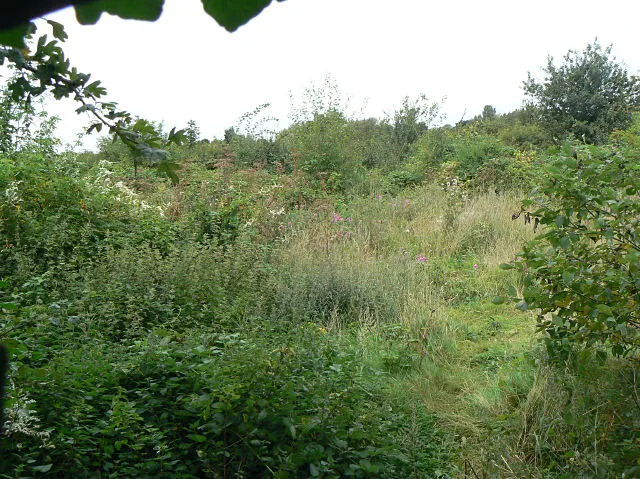
Photo: Alan Murray-Rust, CC BY-SA 2.0, via Wikimedia Commons
The Gazette’s Horticultural Inspector has completed the 2026 inspection of fictional gardens, orchards and greenhouses. The visit was made under the usual allotment-committee powers: a clipboard, a flask, and a firm belief that any garden described as “waiting” is probably waiting for planning permission.
The inspector wishes to record at the outset that a garden is not a character. It may contain characters. It may reflect characters. It may, in the hands of a careless novelist, become a character with a grievance and a watering can. But it should not be allowed to chair the meeting.
Risk Register: Secateurs, Soil and Suspicious Marrows
The committee graded each site for horticultural risk, narrative overreach and whether the shed could be locked from the inside. A grade of A indicates a garden behaving like a garden. A grade of F indicates a garden that has read too much Gothic literature and is now refusing to be pruned.
| Site | Principal feature | Risk | Grade |
|---|---|---|---|
| The Garden of Eden | Fruit tree; insufficient boundary security | Serpent access; poor exit strategy | F |
| Rappaccini’s Daughter | Experimental planting | Toxic specimens; no personal protective equipment | F |
| The Secret Garden | Walled garden under restoration | Unsupervised child labour; excellent roses | C |
| Satis House garden | Neglect, damp, wedding cake | Structural decay; atmospheric overgrowth | D |
| Tom’s Midnight Garden | Temporal boundary | Inconsistent opening hours; clock compliance | B |
| The cherry orchard | Orchard under threat | Sound of axes; unresolved property dispute | C |
| The garden party lawn | Marquee placement | Weather risk; class tension near the marquee | B |
The inspector notes a recurring problem: the prize marrow. In fiction, a large vegetable is rarely just a large vegetable. It is a symbol of masculine anxiety, rural rivalry, fertility, decay or the hidden ledger of a neighbouring allotment. The committee accepts that marrows can be impressive. It does not accept that they can conceal a grudge without proper notification. Any marrow exceeding the size of a small child must be entered in the schedule and inspected for resentments.
Compost-Heaps: Compliance Checklist
Compost is an honest process. It takes kitchen waste, garden cuttings and patience, and returns something useful. Fiction, however, has a habit of using the compost heap as a place to bury secrets, letters, evidence and occasionally a character who should have known better. The committee has therefore issued the following checklist.
- Is the heap turned regularly, or is it merely a mound of unresolved plot?
- Are ratios of green to brown material maintained, or has the author substituted mood for nitrogen?
- Are there any buried letters, wedding rings or paternal confessions? If so, remove them before they affect the soil.
- Does the heap smell of compost, or of metaphor?
- Is there a path to the heap, or must a character approach it at midnight in a nightdress for symbolic reasons?
A compost heap is not a plot device. It is a slow biological process with a modest yield. Authors who require a body to be hidden should consult the appropriate authorities, not the allotment secretary.
Enforcement Notice: Gardens That Are “Waiting”
The inspector has issued a firm warning about any novelist who describes a garden as “waiting”. In the committee’s experience, a garden that is waiting is either waiting for rain, waiting for spring, or waiting for a developer with a satisfactory offer. It is not waiting for a protagonist to come to terms with their childhood. That is the protagonist’s job, and it should be done indoors, with a cup of tea and a trained professional.
Similarly, the committee objects to gardens that “hold their breath”. Gardens do not breathe in the literary sense. They transpire, photosynthesise and, in the case of particularly aggressive ivy, advance. If a garden must be personified, it should be given a clear job description and a probationary period.
Final Recommendations
Authors are advised to keep secateurs in a locked shed, label their seed trays, and remember that a greenhouse is not a confessional. The committee will revisit these sites in 2027, weather permitting. In the meantime, readers are asked to report any fictional garden that appears to be organising against its owner. The allotment committee has seen it before, and it never ends with a good marrow.