Terms of Damnation: A Due Diligence Memo on Fiction’s Most Unfair Contracts
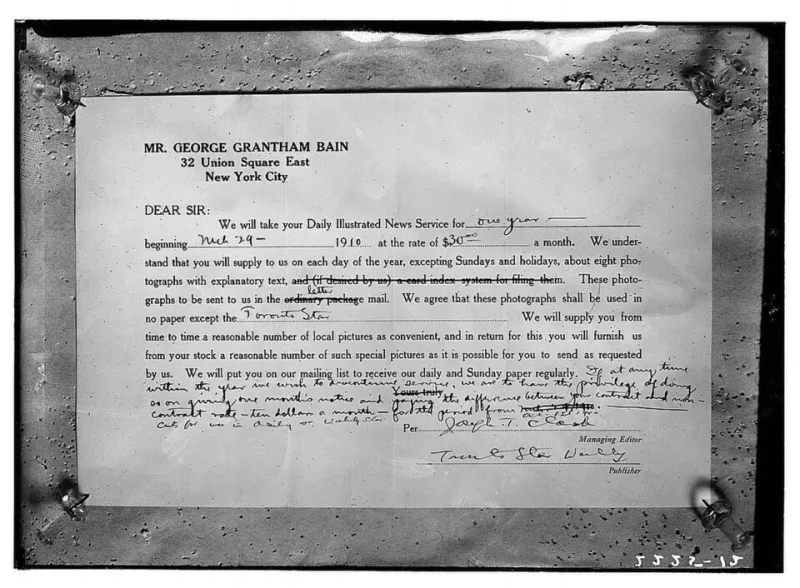
Photo: The Library of Congress, No restrictions, via Wikimedia Commons
From: Contracts & Consequences Desk To: The Editor Re: Selected infernal instruments, enforceability, and the absence of a cancellation form Date: 14 November 2026
The Brief
At Gradgrind's Gazette we keep our feet on the ground and our filing cabinet locked. We do not believe in the supernatural, except where it is properly witnessed and indexed. This month the Contracts & Consequences Desk was asked to review literature's most notorious diabolical agreements: not to admire their poetry, but to ask the questions any sensible client should ask before signing away an immortal soul. What is the consideration? Is there a cooling-off period? Does the jurisdiction clause mean anything before a district judge in Croydon?
The brief was simple. Apply the habits of a modern UK contract review - due diligence, unfair terms, consumer cancellation rights, pre-action conduct - to pacts with the Devil. The results are not encouraging for either party.
Method and Standard Terms
We assessed each instrument against four tests: certainty of terms, adequate consideration, fairness under the Consumer Rights Act 2015, and the existence of a workable complaints procedure. We also checked whether the parties had capacity. A disembodied voice in a study at midnight is not, in our view, an identifiable counterparty with a registered address for service.
We should say at once that no article can be legal advice. It is, however, a strongly worded internal memo, which is nearly the same thing after 5pm.
Doctor Faustus: The Classic Off-Premises Sale
Marlowe's scholar trades twenty-four years of power for his soul. On paper it is a straightforward bargain: time-limited benefit, permanent detriment, no break clause. The problems begin with the small print. There is no written schedule of powers. There is no price list. There is no cancellation notice. The contract is executed in a study, at night, with a being who has not supplied a trading name, company number, or VAT receipt.
The consideration is also troubling. Twenty-four years of 'power' is not a defined service. Does it include political influence? Academic promotion? The ability to win an argument about the correct pronunciation of 'controversy'? The term is too vague to enforce. Under the 2015 Act, a term that allows the trader to determine the price after the consumer has committed is liable to be unfair. Here the price is eternal and the trader is, by reputation, a liar.
Gazette verdict: unenforceable for uncertainty. A letter before action should be sent to the address of the nearest crossroads.
Goethe's Faust: A Wager Dressed as a Contract
Goethe gives us a wager rather than a straightforward sale. Faust bets that no moment of satisfaction will ever make him ask it to linger; Mephistopheles takes the other side. This is more elegant, but legally it is a mess. A wager is not a contract for services. It may fall foul of gambling legislation. And the parties have not agreed a clear event, a timetable, or a dispute-resolution mechanism.
There is also the question of God as a silent third party. Any arrangement in which a deity appears in the preamble but not in the signature block is asking for trouble. The jurisdiction clause, if one can be inferred, appears to be 'wherever the plot requires'.
Gazette verdict: not enforceable as a contract. Best treated as an unregulated competition with poor terms and conditions.
The Bottle Imp: A Transferable Nightmare
Stevenson's tale offers something rarer: a diabolical contract that can be sold on. The bottle grants wishes; the owner must sell it for less than he paid or be damned. This is a novation clause with a vengeance. It is also a consumer-protection disaster. The buyer is not told, in plain English, that the product carries an indefinite moral liability. There is no after-sales service. The price decreases with each sale, which creates an incentive to misrepresent the condition of the goods.
One might argue the bottle is a second-hand good and therefore outside certain protections. But a bottle containing a demon is not a standard consumer durable. It is at least a controlled good, and possibly a prohibited weapon.
Gazette verdict: unenforceable and reportable to Trading Standards. The chain of indemnities is defective.
The Picture of Dorian Gray: No Contract at All
Wilde's bargain is not signed. It is a wish, spoken in a studio, with a portrait as security. This is the sort of arrangement that makes a solicitor reach for the biscuit tin. There is no offer, no acceptance, no consideration, and no identifiable counterparty. The portrait is not a party. It is evidence, perhaps, but it has not retained counsel.
Gazette verdict: no contract. A claim in negligence against the artist might be considered, but the limitation period is unkind.
Peter Schlemihl: The Shadow Sale
The sale of a shadow is the clearest consumer transaction in the set, and therefore the most disappointing. A shadow is not 'goods' within the ordinary meaning. It cannot be delivered. It has no measurable value. The buyer pays in a bottomless purse, which is itself a financial product requiring authorisation. The whole thing is void for illegality and possibly for breaching the Financial Services and Markets Act 2000.
Gazette verdict: void. The purse should be surrendered to the Financial Conduct Authority.
The Gazette's Compliance Table
| Instrument | Consideration | Cooling-off | Verdict |
|---|---|---|---|
| Faustus | Twenty-four years of vague power | None | Unenforceable |
| Goethe's wager | A moment of satisfaction | None | Not a contract |
| The Bottle Imp | Wishes, transferable | None | Reportable |
| Dorian Gray | A wish | None | No contract |
| Schlemihl | Gold from a purse | None | Void |
What Would Survive?
Very little. A modern diabolical contract would need clear schedules, a defined termination date, a complaints procedure, and a named legal entity. It would need to comply with the Consumer Contracts Regulations 2013, including the fourteen-day cancellation right. The Devil would need a UK establishment or a representative. He would need to provide a geographical address. 'The Pit' is not sufficient.
The unfair terms provisions would also bite. A term that gives the trader the right to claim the consumer's soul in perpetuity, while limiting the trader's liability to nothing, is the sort of thing the CMA would describe as 'not in the consumer's best interests' and the rest of us would describe as 'the whole point'.
Conclusion
None of literature's great diabolical bargains would survive a modern UK contract review. They are uncertain, unfair, and almost entirely lacking in after-sales support. The correct response to each is a polite but firm letter before action, followed by a complaint to the relevant regulator and a modest claim in the small claims court.
The Devil, one suspects, would not attend mediation. But he would be welcome to submit a without-prejudice offer.
Signed, The Contracts & Consequences Desk Gradgrind's Gazette