The Ledger of Stately Risk: A Credit Committee Reviews Fiction’s Great Houses
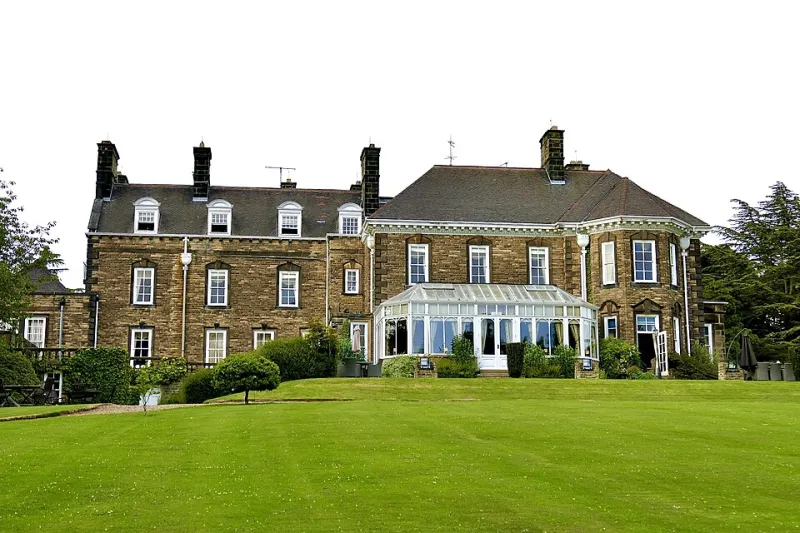
Photo: Hermann Luyken, CC0, via Wikimedia Commons
There is no shortage of advice about fictional property. Estate agents eulogise the views; literary critics eulogise the symbolism; and the National Trust, one suspects, eulogises the gift shop. What the great houses of English literature have lacked is a sober credit committee. The Gazette, ever willing to supply what nobody asked for, has therefore opened a small ratings desk. We have reviewed the balance sheets, the entails, the attics and the inheritance arrangements. We have not visited. Visiting would require leaving the office, and the tea is already made.
Our ratings are not investment advice. They are literary criticism with a spreadsheet, which is to say they are both more honest and less useful than most investment advice.
The Method, Such As It Is
Each estate is assessed across four pillars: liquidity, governance, maintenance backlog and likelihood of inheritance dispute. A fifth pillar, “attic occupancy”, was added after a particularly awkward site visit to Thornfield Hall, and has since proved regrettably relevant.
Ratings run from AAA to D. AAA would require a house with diversified income, clear succession, no mad relatives and a roof that does not feature in the plot. No literary estate has ever achieved AAA. Several have achieved D with a certain panache.
Wuthering Heights: Caa3, Outlook Negative
The committee finds the liquidity position weak. Income is derived almost entirely from moorland, weather and brooding. Governance is eccentric: the controlling shareholder communicates chiefly through ghosts, letters and passive aggression. Maintenance backlog is severe, with structural damp, inadequate glazing and a wind that appears to have been entered on the books as a personality.
Inheritance risk is high. The property has passed through more vendettas than deeds. The attic is not exactly occupied, but the atmosphere is not empty either. We rate the estate Caa3, deep in junk territory, with a negative outlook. The moat is not collateral. The moor is not collateral. Heathcliff is certainly not collateral.
Mansfield Park: BBB–, Outlook Stable
A cautious hold. Mansfield Park benefits from established governance, a respectable land base and a proprietor who, whatever his faults, understands the difference between a ledger and a sermon. The estate is, however, constrained by an entail, which limits management’s ability to restructure without consulting persons who cannot be relied upon to answer letters promptly.
Cash flow from the Antigua property remains difficult to verify, and the committee has placed a footnote here large enough to require its own under-gardener. Theatricals have been permitted on site, which we regard as a governance warning. Nonetheless, the house is maintained, the succession is broadly legible and the outlook is stable. We recommend neither accumulation nor panic.
Thornfield Hall: CCC, Outlook Negative
Thornfield presents a textbook case of concealed liabilities. The asset base is sound, the grounds are adequate and the governess appears competent. But the committee is unable to ignore the third-floor occupant, whose existence is not disclosed in the offering memorandum and whose behaviour materially affects fire risk, insurance premiums and staff retention.
Governance is opaque. The controlling shareholder is charming, which is not the same as transparent. Maintenance backlog is moderate, but the fire risk is not. We rate Thornfield CCC and advise investors to read the small print, then the attic, then the small print again. The outlook is negative because the building has a habit of resolving its own governance problems through combustion.
Pemberley: A–, Outlook Stable
Pemberley is the closest thing in the canon to a quality asset. Liquidity is strong, the estate is diversified, the grounds are well managed and the house has a library that would satisfy even a credit analyst with a grudge. Governance is dynastic but competent. Maintenance backlog is low. Inheritance risk is moderate, chiefly because the proprietor is prone to romantic decisions that may alter the shareholder register without adequate notice.
We assign Pemberley A– with a stable outlook. The rating is not higher because the committee has seen the proprietor’s correspondence. It is not lower because the house is not on fire and the servants are paid.
Satis House: D, In Default
Satis House has no natural light, no reliable timekeeping and no discernible revenue stream. The wedding cake is stale, the clocks are stopped and the principal occupant has not updated her business plan since before the Napoleonic Wars. Governance is a single-point failure. Maintenance is not so much backlogged as abandoned.
The estate is in default. We recommend no position except a short one, ideally taken from outside the gates and with a good solicitor.
Brideshead: BB, Outlook Negative
A grand house with a generous cellar and a complicated governing document. Liquidity is adequate but dependent on the sale of assets that nobody wishes to sell. Maintenance backlog is substantial. Inheritance risk is elevated by theology, which the committee respects but cannot model. We rate Brideshead BB, with a negative outlook and a note that the wine cellar is not a liquid asset, however much the family might wish it were.
Howards End: BBB, Outlook Stable
A well-maintained house with a transitional governance structure. The recent transfer of control has improved transparency, though the committee notes that “only connect” is not a recognised accounting standard. Mortgage exposure is manageable, and the garden is an asset. We rate Howards End BBB with a stable outlook, subject to the usual caveat that literary houses are prone to symbolic weather.
Manderley: D, Not Rated Further
No comment. The house is gone. The committee declines to elaborate, partly because the insurance claim is unresolved and partly because Mrs Danvers has asked us not to.
Committee Conclusions
Fictional estates are not a diversified portfolio. They are a collection of illiquid assets with poor disclosure, eccentric management and a tendency to resolve succession by fire, shipwreck or a sudden paragraph of moral instruction. Investors seeking income should look elsewhere. Investors seeking atmosphere should proceed, but should insist on a full structural survey, a review of the entail and a written statement regarding any relatives in the attic.
The Gazette’s ratings desk will publish further assessments as soon as it can establish whether the moat is an asset or a liability. In the meantime, we remain, as ever, below investment grade but above the temptation to buy a ruined abbey on a whim.