Uncertain Sterling: The Gazette Certifies Fiction’s Vaguest Sums, Intervals and Huffs
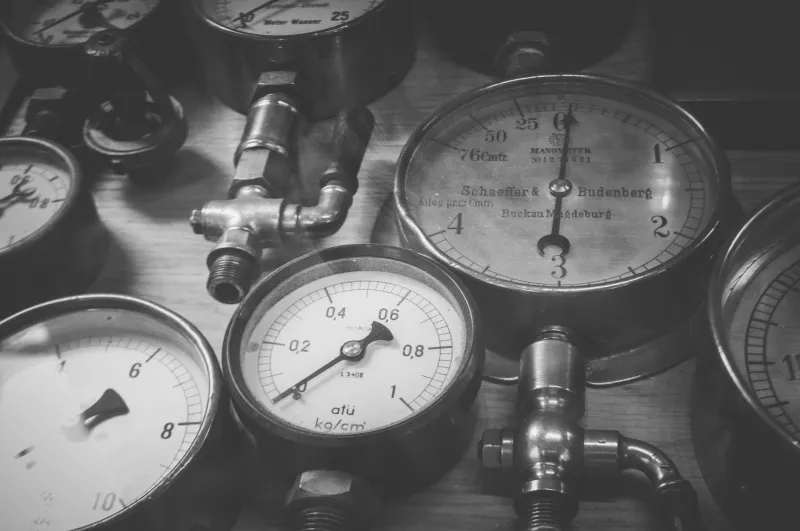
On 13 November 2026, in a basement off Chancery Lane, the Bureau of Literary Weights and Measures convened its first public calibration session. The room smelled of ink, damp carpet and the kind of institutional optimism that precedes a freedom of information request. Present were two retired school inspectors, a clockmaker, a representative of the reading public and a barrister who had been promised that no character would be cross-examined for more than a decent interval.
The Bureau’s finding is simple and, to novelists, unwelcome: fiction is full of quantities that have never been certified. A small fortune. A not inconsiderable sum. A minute or two. A decent interval. A certain coolness. These are not measurements. They are moods wearing numbers. The Gazette, committed to Nothing but Facts and the occasional fancy, has therefore agreed to publish the Bureau’s first calibration table for public confidence.
The Problem with a Small Fortune
A small fortune is the most abused unit in English fiction. In a thriller it buys a flat in Chelsea and a handgun. In a Victorian novel it buys a clergyman’s daughter a future and a railway share. In a contemporary comic novel it buys a secondhand car and a moral crisis. None of these are compatible.
The Bureau has therefore fixed the small fortune at £43,750 in 2026 sterling, inclusive of a modest wine rack but exclusive of legal fees. This is enough to alter a character’s prospects, not enough to require a solicitor, and just sufficient to make a brother-in-law ask whether it was taxed. The not inconsiderable sum has been certified at £8,240, a figure the Bureau notes is now barely a boiler service and a new kettle. A fortune, by contrast, is £212,000, or one reasonably located garage in the south-east. A modest competence is £31,500 per annum. A trifle is £3.99, or £4.50 if purchased at a railway station.
Time, That Elastic Medium
Fictional time has long been a scandal. A minute or two is not two minutes. The Bureau has measured it at 4 minutes 37 seconds, because fictional minutes are required to contain one explanatory aside and one cup of tea. A moment is 1 minute 48 seconds. A while is 7 minutes. Presently is 6 minutes, but only if the narrator is not in a hurry. In a trice is 2.4 seconds and should not be attempted near a staircase.
The decent interval has been certified at 11 minutes 20 seconds. This is the statutory minimum between a character saying something regrettable and another character deciding not to mention it. The Bureau recommends that hosts observe it before serving pudding. Enforcement remains a matter for local authorities, though no council has yet appointed a Decent Interval Officer.
Social Embarrassment and Other Fluid Measures
Some embarrassment has been fixed at 3.2 units on the Pooter scale, where 1 unit is a wrongly addressed envelope and 10 units is laughing at a funeral. A huff is 14 minutes of silence. A chill is 2 days. A decided coolness is 11 days. Not on speaking terms is 4 months, or until Christmas, whichever is sooner.
A look has been calibrated at 1.8 seconds. A meaningful look is 3.4 seconds and must be followed by a change of subject. A trifling misunderstanding is 2 letters from a solicitor and one apologetic telephone call. The Bureau accepts that these are provisional, as social embarrassment is subject to regional variation and the presence of a vicar.
The Calibration Table and Its Discontents
| Literary term | Certified 2026 equivalent | Notes |
|---|---|---|
| A small fortune | £43,750 | Wine rack included; legal fees excluded |
| A not inconsiderable sum | £8,240 | Now roughly one boiler service |
| A decent interval | 11 min 20 sec | Pudding may be delayed |
| A minute or two | 4 min 37 sec | Contains one aside and one tea |
| A certain coolness | 11 days | Christmas may shorten it |
| A trifling misunderstanding | 2 letters and 1 call | Solicitor’s tone not specified |
Every certified quantity will bear the Bureau’s stamp: a small brass rectangle depicting a set of scales being ignored by a novelist. Publishers may appeal to the Court of Chancery. The average waiting time is 14 years, a figure the Bureau admits is itself uncalibrated.
Objections from the Trade
The trade has objected. A spokesperson for the fiction industry said that novels are not prospectuses and that a small fortune is a narrative device, not a financial instrument. The Bureau replies that devices must be tested. The reading public deserves to know whether a decent interval will outlast a kettle, and whether a not inconsiderable sum will cover a plumber’s first hour. These are not idle questions. They are the questions that keep a nation’s dinner parties from collapsing into litigation.
The Bureau’s next phase will examine a good deal of money, a certain age, a few pounds, rather a lot, and the phrase I shall not detain you long. Authors are invited to submit evidence. Readers are invited to submit grievances. Neither is promised a decent interval.
Until then, the Gazette advises that all fictional sums be treated as approximate, all intervals as elastic, and all huffs as subject to review. Nothing but Facts, and the occasional fancy — now certified, stamped and available in a laminated wallet card.