The Cellar Door Files: Public Health Reports from Literature’s Least Reassuring Taprooms
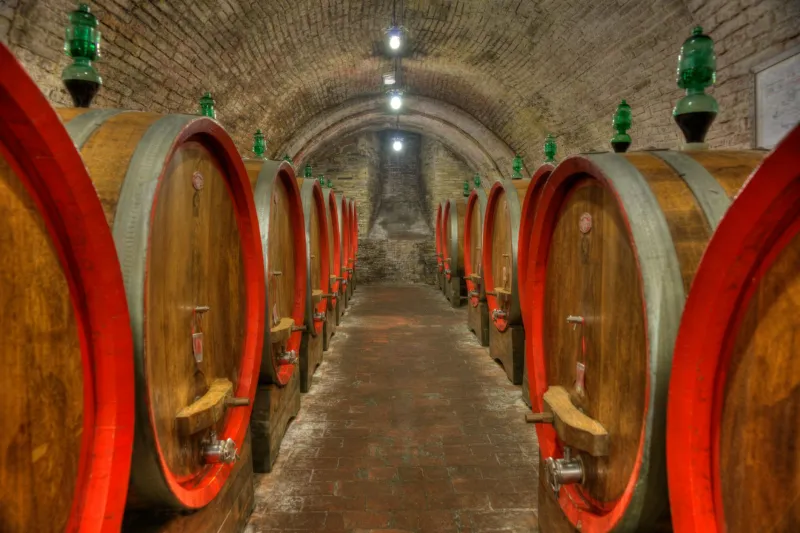
In 2026, with the British pub forever said to be one bad quarter’s trading away from becoming a boutique dog-grooming salon, the Gazette has chosen to inspect the one sector of the hospitality trade that cannot claim rising energy costs: the fictional hostelry. Our inspector has therefore spent a quiet fortnight in the written record, armed with a thermometer, a torch and a marked reluctance to consume anything described as ‘house special’.
Methodology, or How to Inspect a Place That Does Not Exist
Each establishment has been assessed on four headings: cellar hygiene; landlord competence; clientele conduct; and the likelihood of encountering a mysterious stranger in a cloak. Scores are out of five. They should not be confused with stars, which imply glamour; nor with rosettes, which imply cooking; nor with the Gazette’s own ‘Facts’ seal, which implies an invoice.
Where a novel mentions sawdust, we have counted it as bedding for something. Where it mentions a ‘low, dark room’, we have counted it as a cellar, a snug, or a health and safety incident waiting for a sign. We have taken literary evidence at face value, which is the only face many of these landlords have.
The Admiral Benbow, near Bristol — Score: 1/5
The Admiral Benbow is a seaside inn of the old school, by which we mean a school where nobody has heard of hand-washing. The cellar is damp, salt-stained and contains rum in quantities that suggest either a wedding or an insurance scam. The landlord, in the relevant period, is a decent man much troubled by customers, which is an awkward trait in a publican.
Clientele conduct is poor. A man with a sabre and a thirst has been known to occupy the parlour, and the arrival of a blind beggar is not the pastoral scene it sounds. Likelihood of a mysterious stranger in a cloak: high. Likelihood of that stranger being a pirate: higher. Recommended action: fit a door that locks, a till that locks, and a landlord who does not expire of shock before the first stocktake.
The Prancing Pony, Bree — Score: 2/5
The Prancing Pony scores well for beer and poorly for bookkeeping. The landlord, Mr Butterbur, is a competent and kindly man, but his memory has the structural integrity of a wet paper bag. Rooms are let by alias, cloaked persons are admitted without formal introduction, and the sign-in book appears to be a rumour.
The cellar is adequate. The clientele are mixed — by which we mean hobbits, rangers and men from the south with questionable travel plans. The likelihood of encountering a mysterious stranger in a cloak is not merely high; it is practically a house policy. One such stranger was found sitting in a corner, smoking, and refusing to give a name, occupation or reason for owning a broken sword. The Gazette recommends that all corner tables be fitted with a small lamp and a declaration form.
The Leaky Cauldron, London — Score: 3/5
On paper, the Leaky Cauldron is a well-run house. The landlord, Tom, is attentive, the clientele are regular, and the premises have a dependable fug that modern pubs spend fortunes trying to fake. The cellar, however, presents unusual difficulties: samples were taken, but the inspector’s notebook subsequently developed a personality.
The greater regulatory problem is access. A premises that is unplottable and invisible to Muggle environmental health officers is difficult to serve with a improvement notice, still more difficult to close. Clientele conduct is generally orderly, though the range of species present raises questions about toilet provision that no one wishes to put in writing. Likelihood of a mysterious stranger in a cloak: endemic. Recommended action: leave a laminated copy of the Food Hygiene Regulations behind the bar and hope it is read by someone who can do magic.
The Boar’s Head, Eastcheap — Score: 0/5
The Boar’s Head is not so much a pub as a public order offence with a licence. The cellar is a fog of sack and old grudges. The landlord, Mistress Quickly, is energetic but legally porous; her accounts are kept in a system best described as ‘oral tradition’. The clientele include a knight of enormous girth, a prince in disguise and a man whose nose has its own weather system.
Conduct is riotous. Fire exits are blocked by a Falstaff. There is shouting, debt, counterfeit coinage and what the report must record as ‘a general air of impending Shakespeare’. Likelihood of a mysterious stranger in a cloak: low; likelihood of a mysterious stranger in a royal disguise: alarmingly high. Recommended action: close the premises, drain the sack, and issue a warning to any heir apparent found drinking with persons named Bardolph.
The Maypole, Chigwell — Score: 1/5
The Maypole is a handsome old house with a landlord, John Willet, who has raised inactivity to a governing principle. The cellar is ancient, the casks are older, and the whole establishment is held together by woodworm, tradition and the belief that nothing should be done hurriedly except panic.
Clientele conduct is usually tolerable until it becomes a riot, at which point the landlord’s contribution is to sit still and hope the matter resolves itself. Likelihood of a mysterious stranger in a cloak: moderate. Likelihood of a mysterious stranger being the cause of the riot: considerable. Recommended action: a full structural survey, a fire drill, and a short course in situational awareness for the licensee.
General Findings
Across the sample, four patterns emerge. First, fictional cellars are damp by design and hospitable to things that should not be kept in casks. Second, landlords are either forgetful, absent, deceased or legally unlocatable. Third, clientele conduct ranges from ‘quietly ruinous’ to ‘bring a helmet’. Fourth, the mysterious stranger in a cloak is not an occasional hazard but a core business model.
The Gazette therefore recommends that all literary public houses introduce a visitor’s book, a working hand-wash basin and a simple rule: no cloaks at the bar unless the wearer is prepared to give a name, an address and a reason for the sword. Enforcement will, of course, be difficult. Several premises cannot be found, one cannot be plotted, and at least one would require the inspector to survive the first act.
We shall continue our inspections in 2026, clipboard in hand. The public house is a great British institution, and it deserves the same careful scrutiny we apply to hospitals, schools and the more ambitious novels of the nineteenth century. Last orders may be called; the paperwork is eternal.