Not Fit for a Fictional Purpose: The Gazette’s Snagging List of Literature’s Worst Lettings
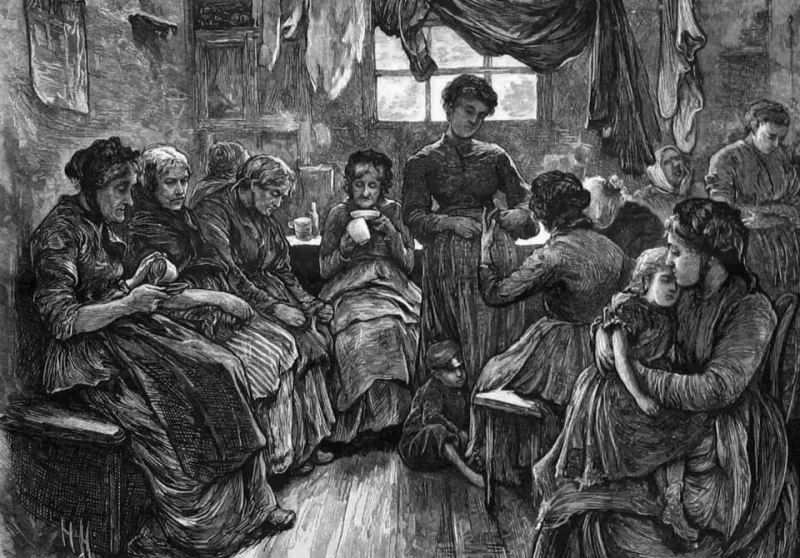
Photo: Hubert von Herkomer, Public domain, via Wikimedia Commons
On 10 November 2026, the Gazette’s Inspector-General of Fictional Housing sharpened a pencil, adjusted a damp meter, and set out to grade the addresses that literature has spent two centuries pretending are merely ‘atmospheric’. The brief was simple. Facts. Not fancies. Not the sort of estate-agent poetry that calls a mildewed box room a ‘cosy retreat with character’. We wanted rent books, covenants, and evidence of a working boiler.
We found none. We found quite a lot of wallpaper.
The Inspection Begins
The inspection follows the familiar pattern of a modern UK tenancy check-in. We examined each property for damp, heating, security, vermin, and compliance with the implied covenant of habitability. We then graded the landlord’s written excuse, using the official scale: Satisfactory, Unsatisfactory, and Dickensian. Most fell into the third category, which is reserved for excuses involving ghosts, fate, or the sanctity of an old wedding cake.
Let us be clear: this is not a list of houses we would like to live in. It is a list of houses that would fail a deposit dispute before the tenant had unpacked a single trunk.
Satis House: Grade F
Address: Near Rochester, Kent. Tenant: Miss Havisham. Landlord: The Pockets, nominally.
Damp: pervasive. Heating: none, though the wedding breakfast has not moved since 1837. Security: adequate, in that no one enters without a formal introduction and a willingness to be insulted. Covenants: the landlord has agreed not to repair the clocks, the windows, or the tenant’s expectations.
The house is a masterclass in deferred maintenance. The modern letting agent would describe it as ‘a period property with a story to tell’, which is true, though the story is largely about rot. The deposit dispute would hinge on whether the stopped clocks constitute ‘fair wear and tear’. They do not. They constitute a breach of the tenant’s right to know what time it is.
Landlord’s excuse: ‘The property is preserved as a monument to a broken heart.’ Translation: No repairs until the boiler learns to feel again.
Wuthering Heights: Grade F
Address: The Yorkshire moors, exposed. Tenant: Mr Heathcliff. Landlord: Mr Heathcliff, in a maze of sub-lettings that no tribunal could untangle.
Damp: structural. Heat: provided by emotional intensity, which does not register on a thermometer. Security: a gate that is either open or haunted. Eviction notice: served by the weather.
The property has no working lock, no fire escape, and a landlord who is also the tenant, which means the deposit protection scheme has quietly resigned. The modern equivalent would be a ‘characterful stone cottage with panoramic views’ and a legal disclaimer about the wind. In 2026, the tenancy would fail the decent homes standard before the first cup of tea.
Landlord’s excuse: ‘It is a house of passion.’ Translation: The roof is optional.
Raskolnikov’s Garret: Grade D-
Address: St Petersburg, top floor. Tenant: A student of uncertain finances. Landlord: A landlady of uncertain patience.
Damp: moderate. Vermin: active. Stairwell: hostile. Rent: in arrears. The garret is small, hot in summer, cold in winter, and arranged so that the tenant must pass the landlady’s door in a state of moral suspense. The deposit dispute would be straightforward: the landlord would claim for ‘excessive brooding’ and ‘unapproved pacing’. The tenant would counter that the ceiling was already cracked when he arrived.
Landlord’s excuse: ‘He is a quiet young man.’ Translation: We have not inspected the room since 1866.
The Cupboard Under the Stairs: Grade F
Address: Privet Drive, Surrey. Tenant: A minor. Landlord: Mr and Mrs Dursley.
This is not a room. It is a cupboard with a mattress. There is no window, no ventilation, and no lawful means of escape. Under the Housing Act 2004, it would be categorised as overcrowded, unsafe, and a matter for the local authority. The modern letting agent would call it a ‘compact studio with understairs storage potential’. The deposit scheme would call it evidence.
Landlord’s excuse: ‘He is lucky to have it.’ Translation: We have not read the tenancy regulations and do not intend to start.
Gregor Samsa’s Room: Grade F
Address: An unnamed European city. Tenant: Formerly a travelling salesman. Landlord: The family, who are also the tenant’s next of kin.
Damp: unclear. Heating: irrelevant. The principal defect is that the tenant has been transformed into an insect and the room has not been adapted in any way. There is no ramp, no appropriate bedding, and no clause in the tenancy agreement covering metamorphosis. The landlord demands rent regardless. The deposit dispute would be notable for the phrase ‘fair wear and tear’ being applied to a carapace.
Landlord’s excuse: ‘He does not need the furniture.’ Translation: We are saving money on a survey.
The Yellow Wallpaper Room: Grade E
The room is spacious, well-lit, and decorated in a pattern that the landlord describes as ‘restful’. It is not restful. It is a covenant breach in wallpaper form. The tenant has requested repairs; the landlord has prescribed fresh air. The deposit dispute would centre on whether the removal of the wallpaper constitutes ‘unauthorised alteration’. It does. So does the removal of the tenant’s sanity.
Landlord’s excuse: ‘She is nervous.’ Translation: We have no intention of fixing the damp.
The House of Usher: Grade F
The building is structurally unsound, the roof is cracked, and the landlord is a man who has not left the property in years. The tenancy agreement contains a clause about ‘supernatural events’ that the deposit scheme would reject as an unfair term. The eviction notice, when it comes, is likely to be delivered by the house itself.
Landlord’s excuse: ‘It has been in the family for generations.’ Translation: We have never had it surveyed.
The 2026 Verdict
None of these addresses would survive a modern deposit dispute. None would pass a decent homes inspection. None would persuade a letting agent to do anything other than add ‘period charm’ to the listing and double the rent. The language has changed. The damp has not.
If literature teaches us anything, it is that a bad landlord is a timeless figure. He is the man who says ‘characterful’ when he means ‘cold’, ‘cosy’ when he means ‘small’, and ‘historic’ when he means ‘about to fall down’. The Gazette recommends that tenants read the inventory, photograph the mildew, and never, under any circumstances, rent a room from a man with a wedding cake and no clocks.